Wildlife & Birds
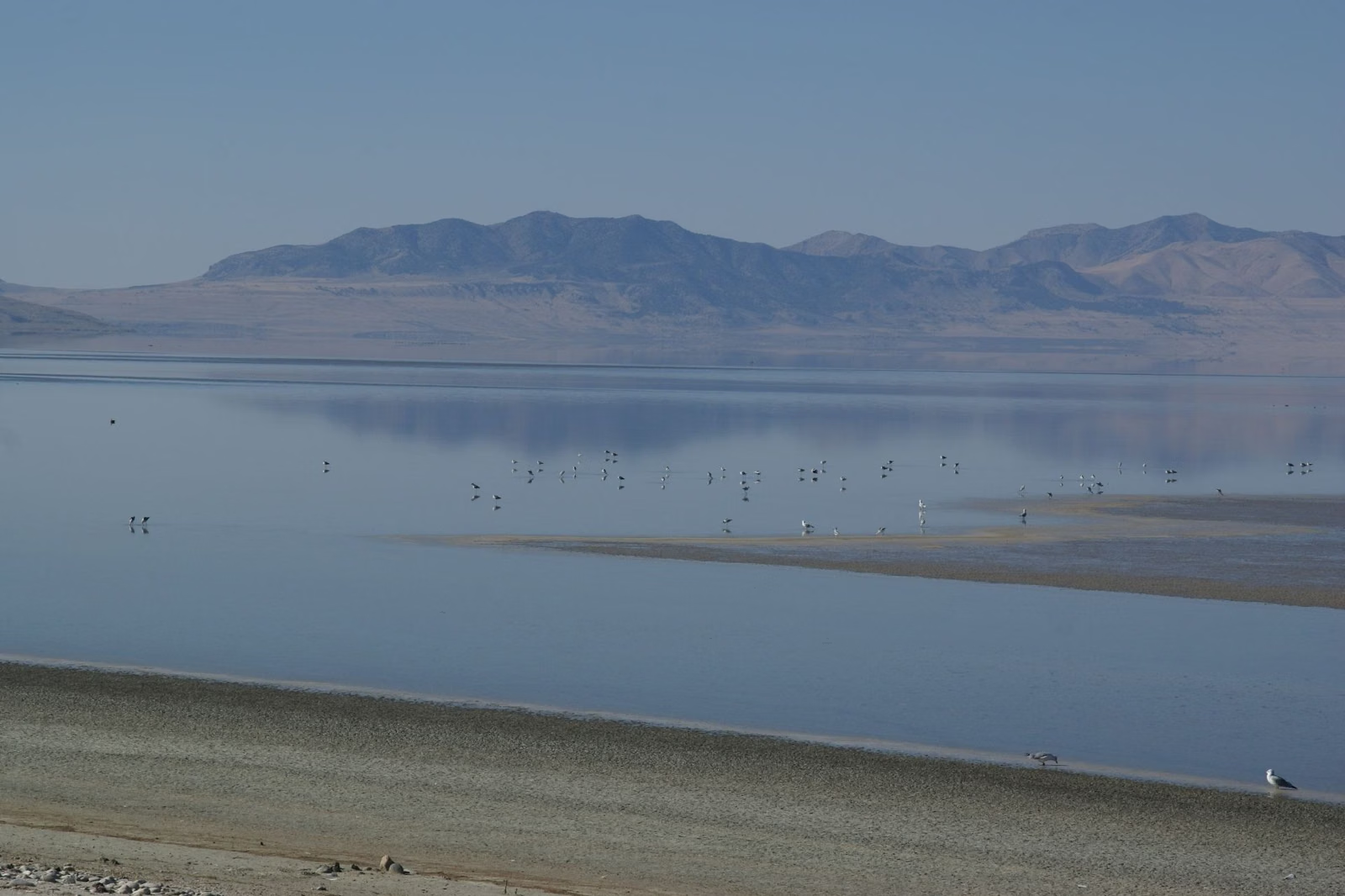
Antelope Island's wildlife is the reason many people come: free-roaming bison, pronghorn, bighorn sheep and mule deer live across the island, with coyotes, bobcats and badgers as predators. The shores around it are one of North America's most important stops for migrating birds; Utah State Parks says millions gather here, from eared grebes and American avocets to Wilson's phalaropes. Look from the causeway for shorebirds and from the park roads for big animals, and never approach, feed or disturb anything you find.
Wildlife at a Glance
The Big Four
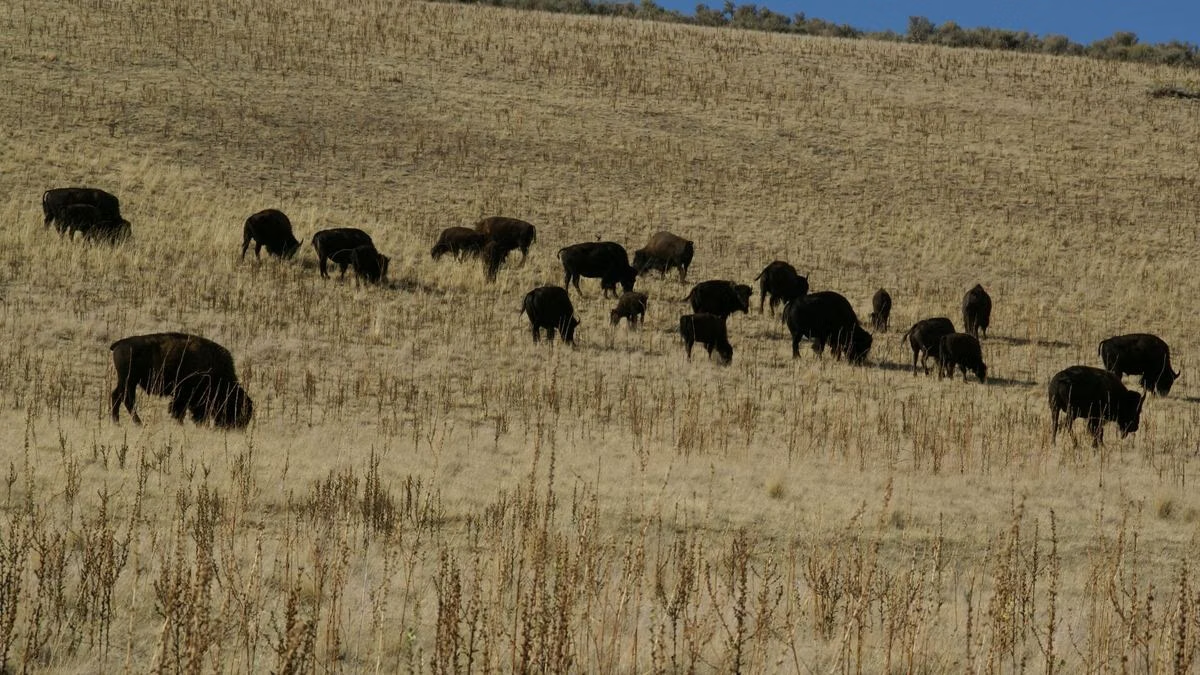
Bison
The island's most famous residents, 550 to 700 animals descended from 12 brought over in 1893 (Bison).
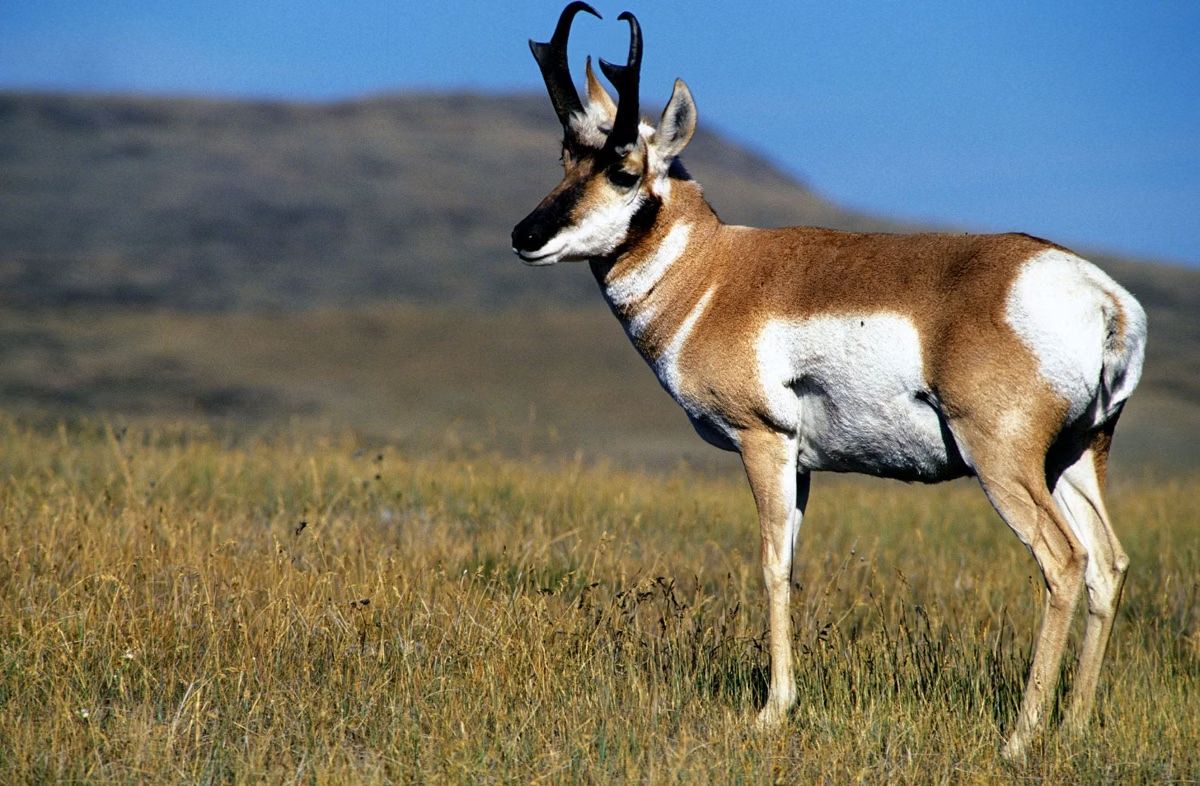
Pronghorn
The island is named for them: explorer John C. Fremont hunted pronghorn here in 1845 and named it Antelope Island. Despite the name, pronghorn aren't true antelope; they are the last surviving member of their family. Utah State Parks calls them the fastest animal in North America, at up to 60 to 70 mph. Both sexes have black horns, which they shed every year. The park reintroduced pronghorn in 1993 and added 99 more in 2003.
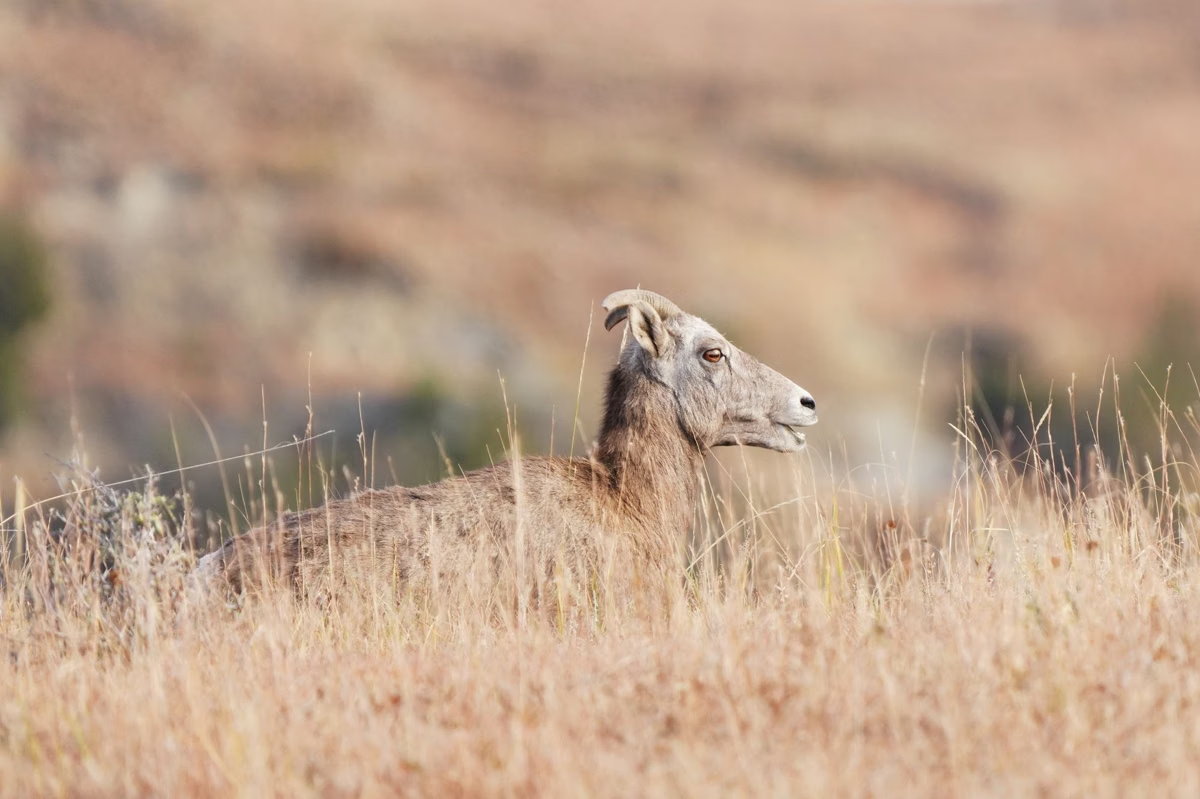
Bighorn Sheep
California bighorn sheep were reintroduced in 1997, when 23 were brought to the island. Males carry curled horns up to 3 feet long that can weigh 30 pounds, and their split hooves are built for steep, rocky terrain.
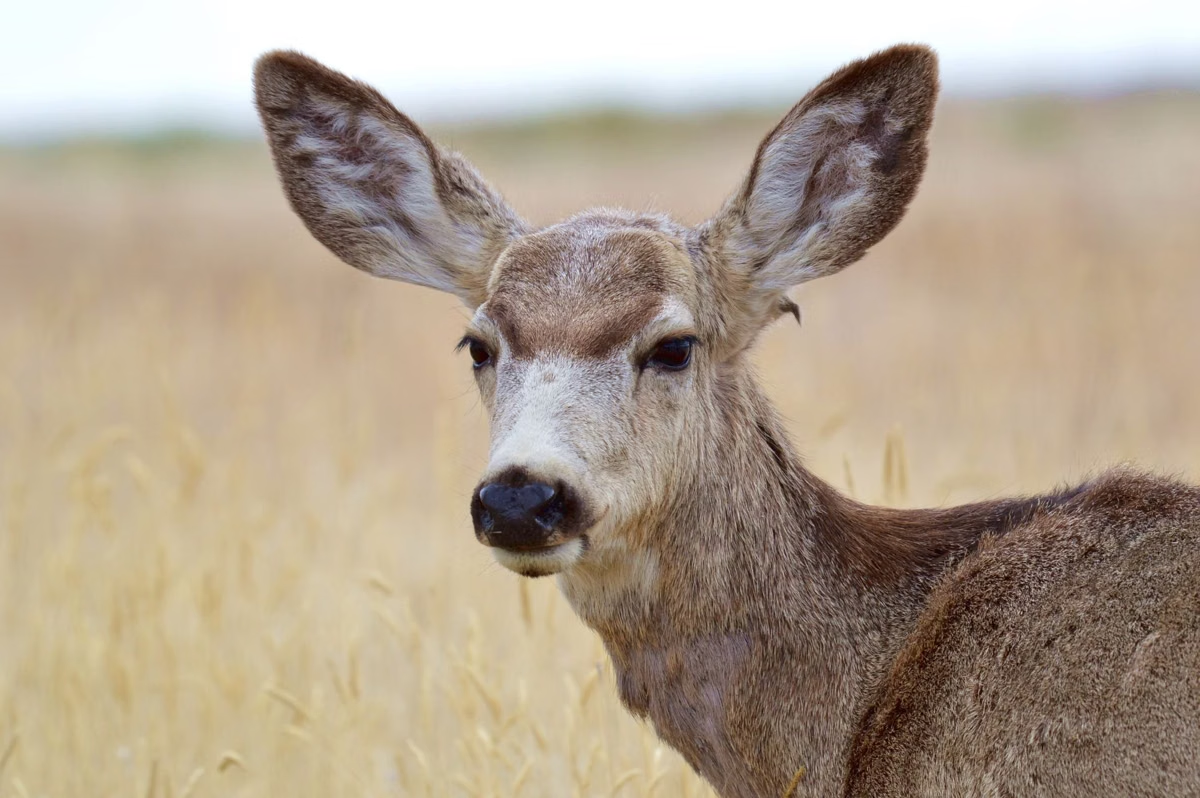
Mule Deer
Named for their mule-like ears, mule deer can run up to 45 mph and leap 8 feet high.
Predators and Small Mammals
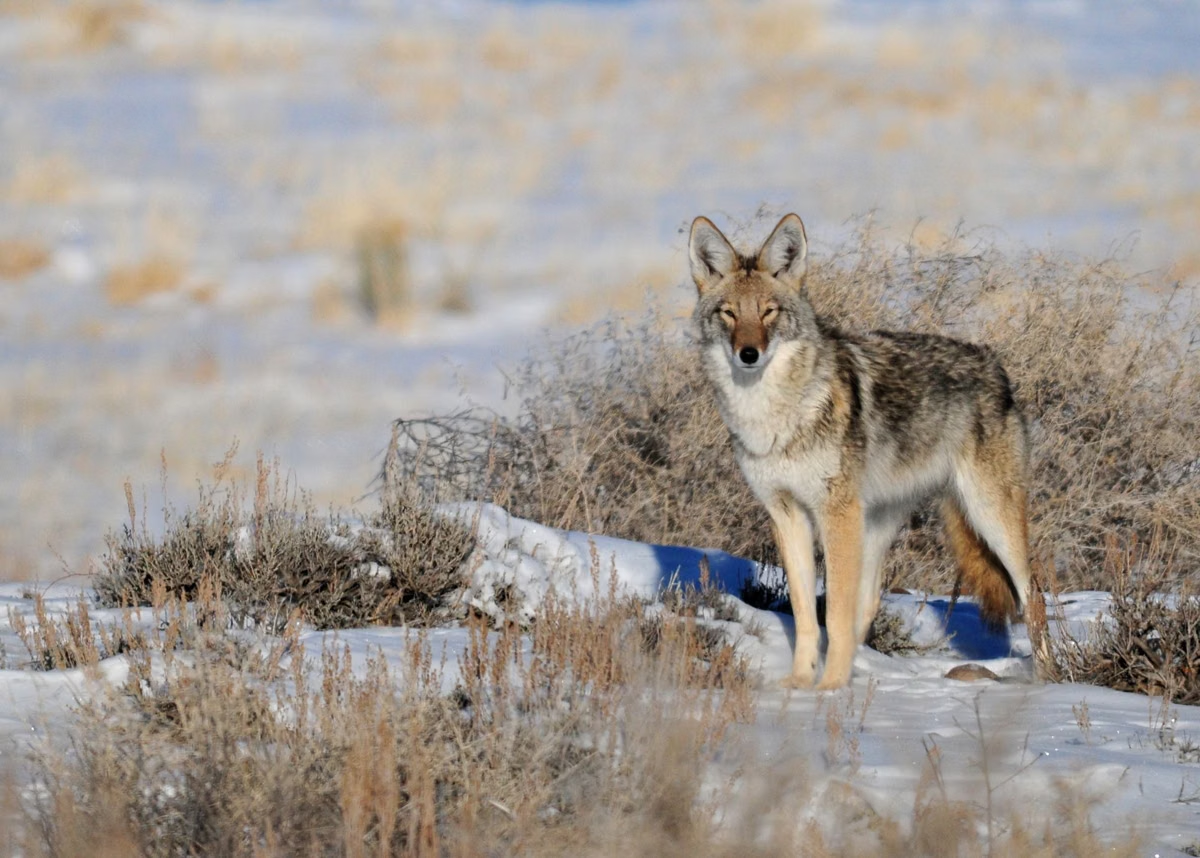
Coyotes are, in the park's words, one of the only and most important predators on the island. Bobcats, American badgers, red foxes and long-tailed weasels also live here, along with porcupines, black-tailed jackrabbits, desert cottontails, kangaroo rats and at least ten kinds of bats. Many of them, from bobcats to porcupines, are nocturnal.
Birds of Great Salt Lake
Great Salt Lake has no fish, but brine shrimp and brine flies thrive in it, and they feed millions of birds. The brochure counts 250 bird species using the lake each year. Utah State Parks highlights these on and around the island:
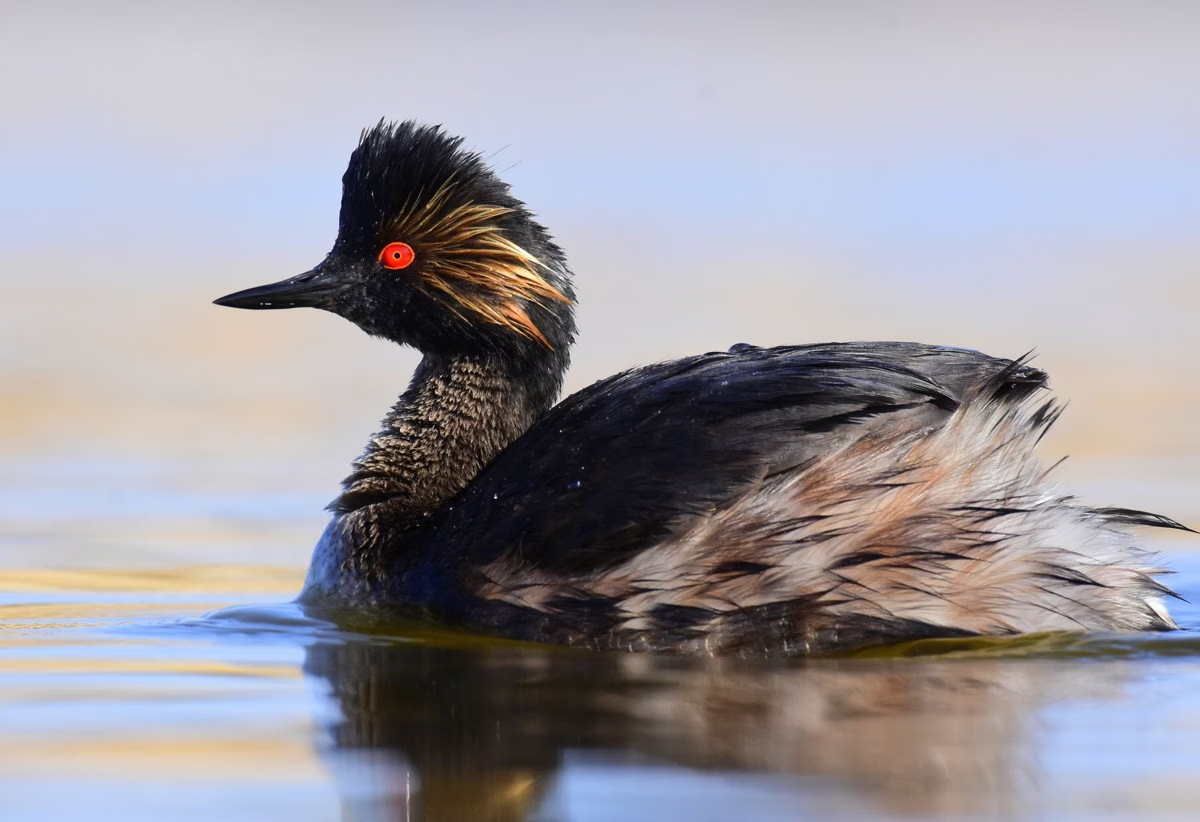
- Eared grebes: more than 5 million visit the lake, each eating nearly 30,000 brine shrimp a day. Look in the deeper water off the causeway. Year-round.
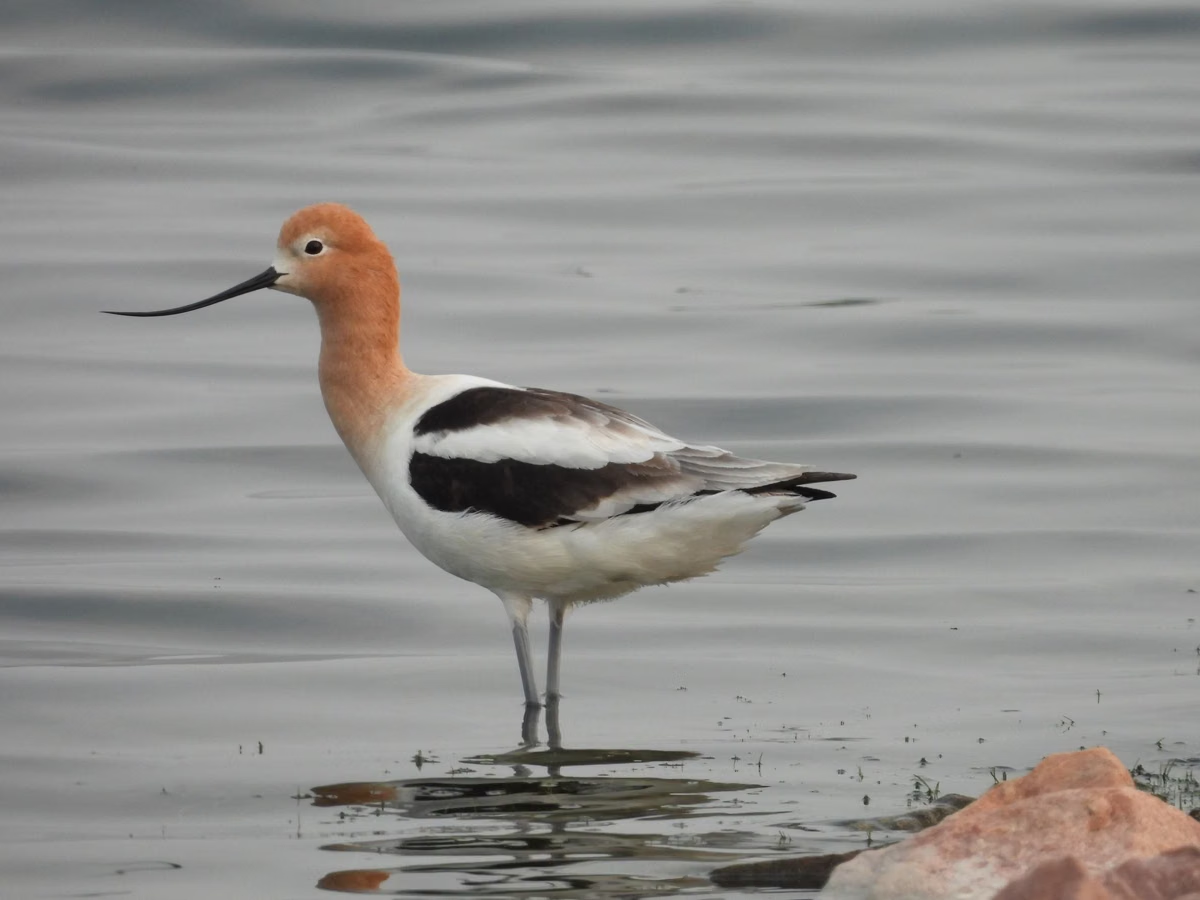
- American avocets: rusty-headed shorebirds that feed in big groups in the shallows by the causeway.
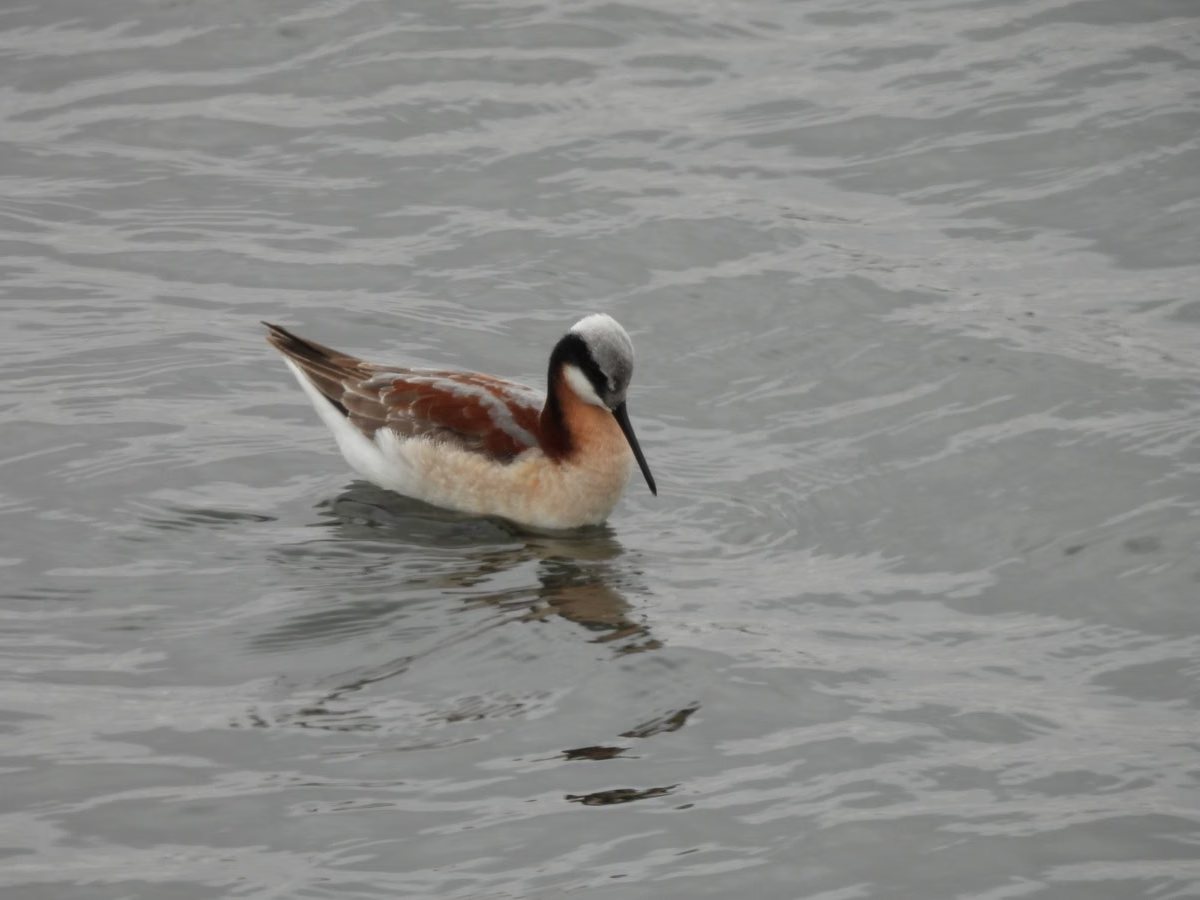
- Wilson's phalaropes: hundreds of thousands stop here before flying to Argentina. April to November.
- Ruddy ducks: thousands off the causeway, most in winter.
- Long-billed curlews: open fields and mudflats along the causeway, March to November.
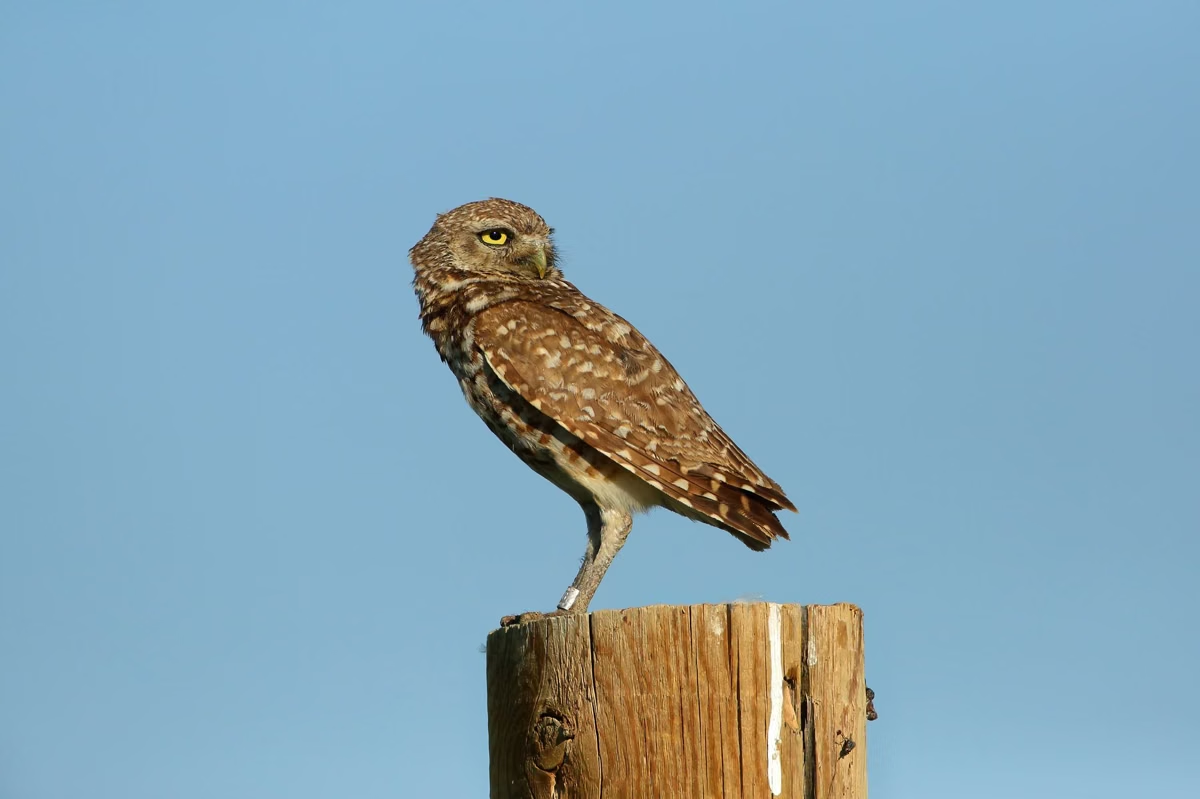
- Burrowing owls: in the island's grasslands; they often fly low across the road.
- Golden eagles: most often seen at high elevations, including Frary Peak.
- Chukar: rocky areas such as Ladyfinger Point, Buffalo Point and around the Visitor Center.
- Songbirds: Bullock's orioles, western tanagers and yellow-rumped warblers in the trees at the Fielding Garr Ranch and the Mulberry Grove; barn swallows in the ranch's sheep barn.
Rules for Wildlife Watching
- Keep a respectful distance. Approaching wildlife is dangerous and stressful for the animals.
- Feeding, touching, teasing or doing anything that changes an animal's behavior is prohibited and can be cited.
- Egg Island and White Rock Island, offshore, are closed to all access year-round to protect nesting birds.
- Domestic farm animals (goats, sheep, llamas, alpacas) are banned to keep disease away from wildlife; horses are the only exception.
- Stay on marked trails; cross-country travel isn't allowed.
The Bugs
Insects are part of the ecosystem here. Biting gnats (no-see-ums) come out April to June and bug spray doesn't stop them, so bring a fine-mesh head net. Non-biting midges swarm the causeway in summer, mosquitoes need standard repellent, and brine flies line the shore in mid-summer but don't bite and move out of your way. They all feed the birds.
Wildlife & Birds FAQ
What animals live on Antelope Island?
Bison, pronghorn, bighorn sheep and mule deer are the large animals, with coyotes, bobcats, badgers and red foxes, plus jackrabbits, porcupines, bats and millions of migrating birds.
Are there antelope on Antelope Island?
There are pronghorn, which explorers called antelope; John C. Fremont named the island for them in 1845. Pronghorn are not true antelope.
Where is the best birding on Antelope Island?
The causeway for grebes, avocets, phalaropes and ducks, and the trees at the Fielding Garr Ranch and the Mulberry Grove for songbirds.
Are there fish in Great Salt Lake?
No. Utah State Parks says the lake is too salty for fish; brine shrimp, brine flies and algae live in it and feed the birds.
When are the bugs bad on Antelope Island?
Biting gnats are worst April to June, and repellent doesn't work on them, so bring a fine-mesh head net. Mosquitoes are around all summer.